A website redesign that modernises the brand without losing your SEO
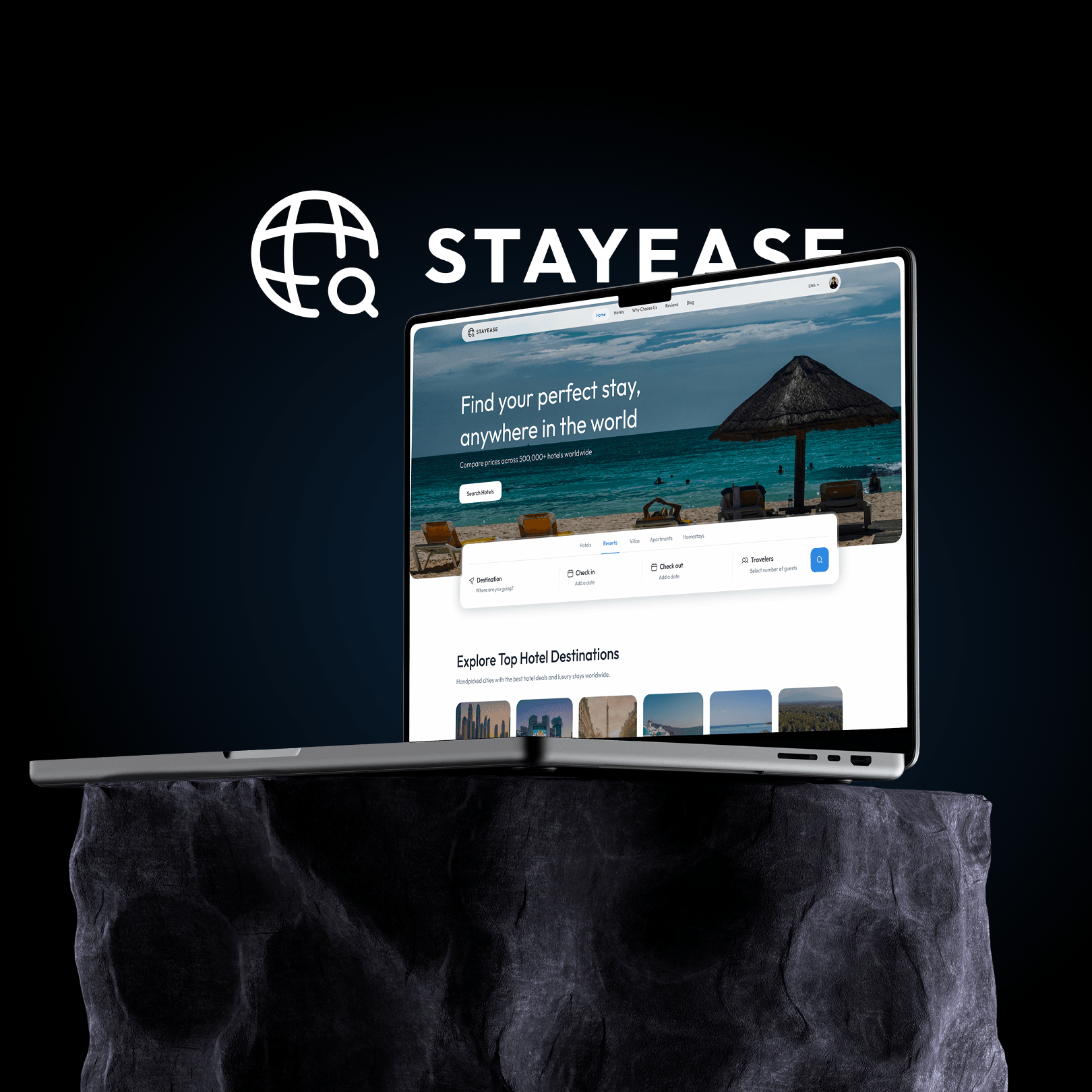
A full-site redesign that addresses what is holding your current site back — outdated visual language, slow page loads, poor mobile usability — while preserving the search rankings and URL equity you spent years building.
What you get
- Complete visual redesign in Figma, desktop through mobile
- Front-end rebuild in React, Next.js, Webflow or Tailwind CSS
- URL redirect map and SEO preservation strategy
Keep what works, fix what does not
A redesign should not be a scorched-earth rebuild. We start by auditing your existing analytics and search console data to identify which pages, flows and content assets drive your actual conversions and organic traffic.
Those pages and structural hierarchies are preserved or improved, while the underperforming sections are rewritten and redesigned.
A redirect plan before launch
The most common reason redesigns drop traffic is neglected URL structures. If URLs change, a complete 1-to-1 301 redirect map is generated and verified before deployment.
Heading tags, metadata, structured data schema and canonical tags are audited to ensure search engines understand the updated site immediately.
Modern, fast front end
The rebuild replaces bloated legacy themes with a clean, fast front end in Next.js or Webflow, cutting page weight and improving Core Web Vitals across the entire domain.
A faster site directly benefits both user experience and organic search rank.
Common questions
Will our SEO rankings drop during a redesign?
With a careful migration strategy, no. By mapping 301 redirects for every changed URL, preserving high-ranking page content and metadata, and improving page speed, most sites maintain or improve their organic positions after launch.
Can we keep our existing blog posts and content?
Yes. Content migration is part of the scope. Blog posts, case studies and documentation are exported from your current CMS and imported cleanly into the new architecture without broken links.
How do you handle staging and client review before launch?
The new site is built on a password-protected staging URL where your team can review, test and approve every page before the domain DNS is switched over at launch.
Other services in this area
- Custom web development
- Figma to React build
- Landing page design & build
- Webflow development
- Framer development
Need the design before the build? UI/UX design
Have a project in mind? Let’s talk.
Get in touch