Wireframes and prototypes that answer the question before the build does
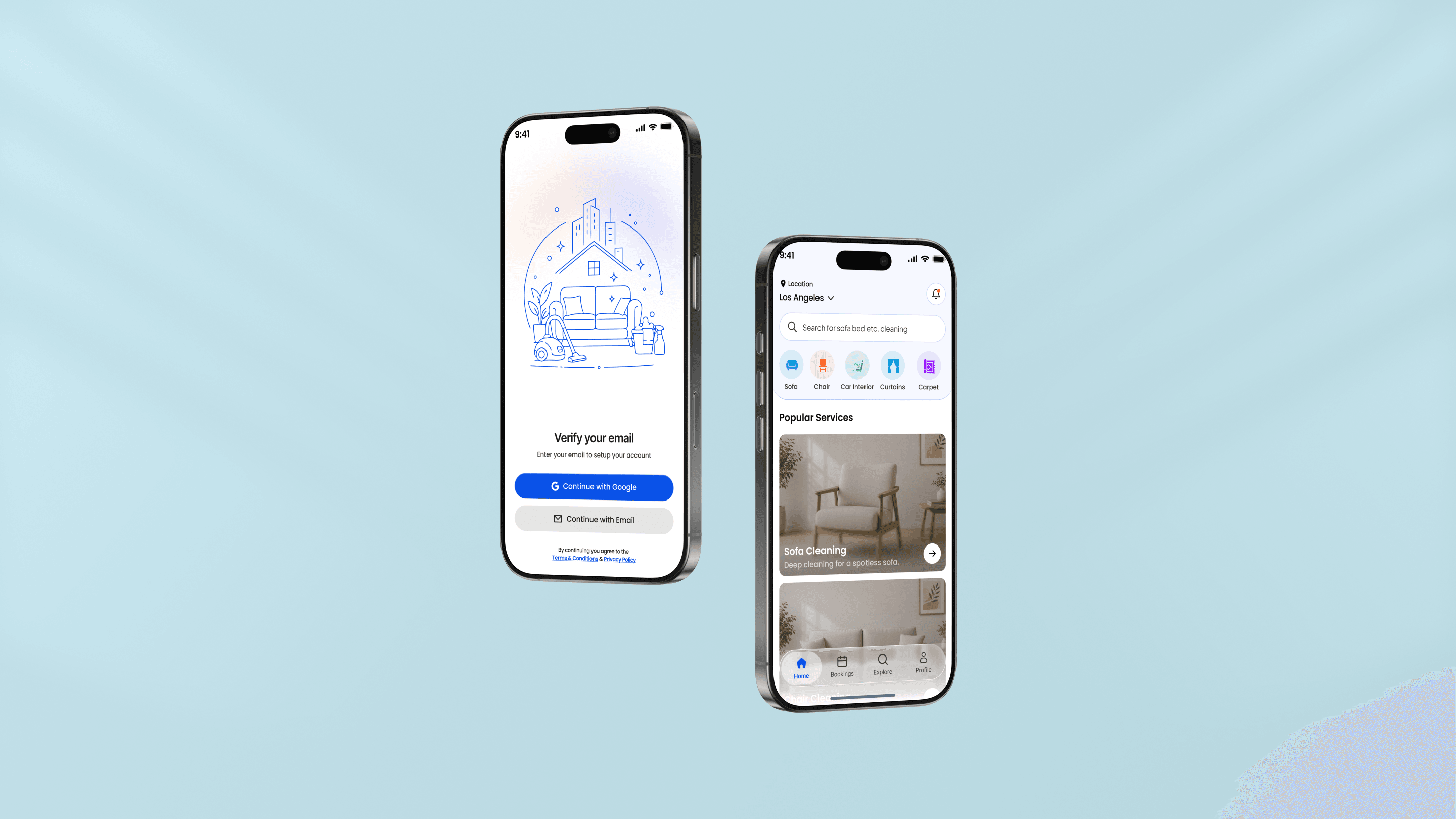
Flow maps, low-fidelity wireframes and clickable prototypes that test whether the structure of a product works, at the stage where being wrong costs a Figma edit rather than a sprint.
What you get
- Low-fidelity wireframes to test structure before visual design
- User flow diagrams mapping every screen and decision point
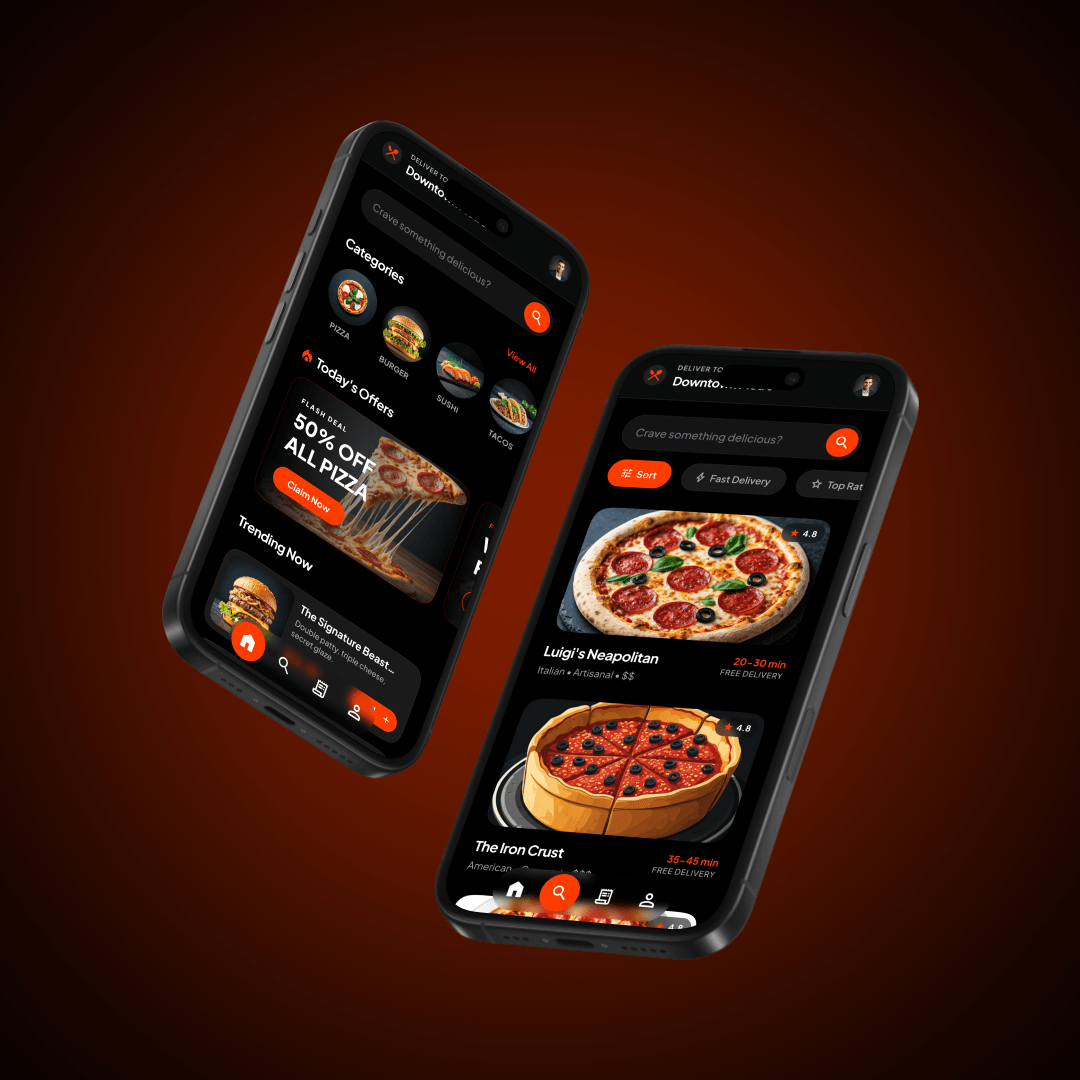
- Clickable prototypes for stakeholder and user feedback
Map the flow, find the missing screens
A flow diagram is the cheapest deliverable on this page and usually the most valuable. Drawing every screen and decision point end to end is what exposes the branches nobody scoped: what happens when the payment fails, when the invite expires, when two people edit the same record.
Finding those in a diagram costs an afternoon. Finding them in QA costs a release.
Low fidelity on purpose
Wireframes are deliberately grey and unstyled, because a polished mockup changes the conversation. Show a finished-looking screen and feedback is about the button colour; show a wireframe and feedback is about whether the step belongs there at all.
It also keeps the cost of changing your mind low, which is the entire point of doing this stage separately.
Test it with people who are not you
A clickable prototype turns opinion into observation. Watching five people attempt the main task tells you more than a stakeholder review, and it tells you before the estimate has been written.
What comes out is a prioritised list of what to fix, with the structure already validated, which is what the visual design and build stages are then built on.
Common questions
Can this be a standalone project, or does it lead into design?
Either. Plenty of engagements are research and wireframing only, delivered as flows, wireframes and a findings summary your own team takes forward. It also works as the first phase of a full design project, in which case the wireframes feed straight into the UI stage.
How many users do you test with?
Usually a small number. Most usability problems surface in the first handful of sessions, and testing more people tends to confirm what the first few already showed rather than reveal something new. The exact number is agreed per project against what you are trying to learn.
We have no research at all. Is that a problem?
No. It is the normal starting point. Existing analytics, support tickets or sales call notes help if you have them, but the flow mapping and prototype testing work without any of it. Starting from nothing is far better than starting from assumptions nobody has checked.
Other services in this area
Already have the design, and need it built? Custom development
Have a project in mind? Let’s talk.
Get in touch